The short answer
Candace Smith became CEO of the Washington Tennis & Education Foundation in March 2025 and published a strategic plan eight months after launching the process. It is the organization's first since 2013. WTEF's nonprofit strategic plan comes in two editions, a twelve-page working version and a shorter one with photographs. A steering committee of staff and board members, chosen to include skeptics, sent the consultant's first draft back and settled on a growth target of 50 percent rather than doubling. A page of guardrails commits WTEF to pausing growth if fundraising cannot carry it. Leadership reviews the plan every two weeks. In response, funders have been active in engaging with WTEF after the strategic plan was made public. Here is how it got built.
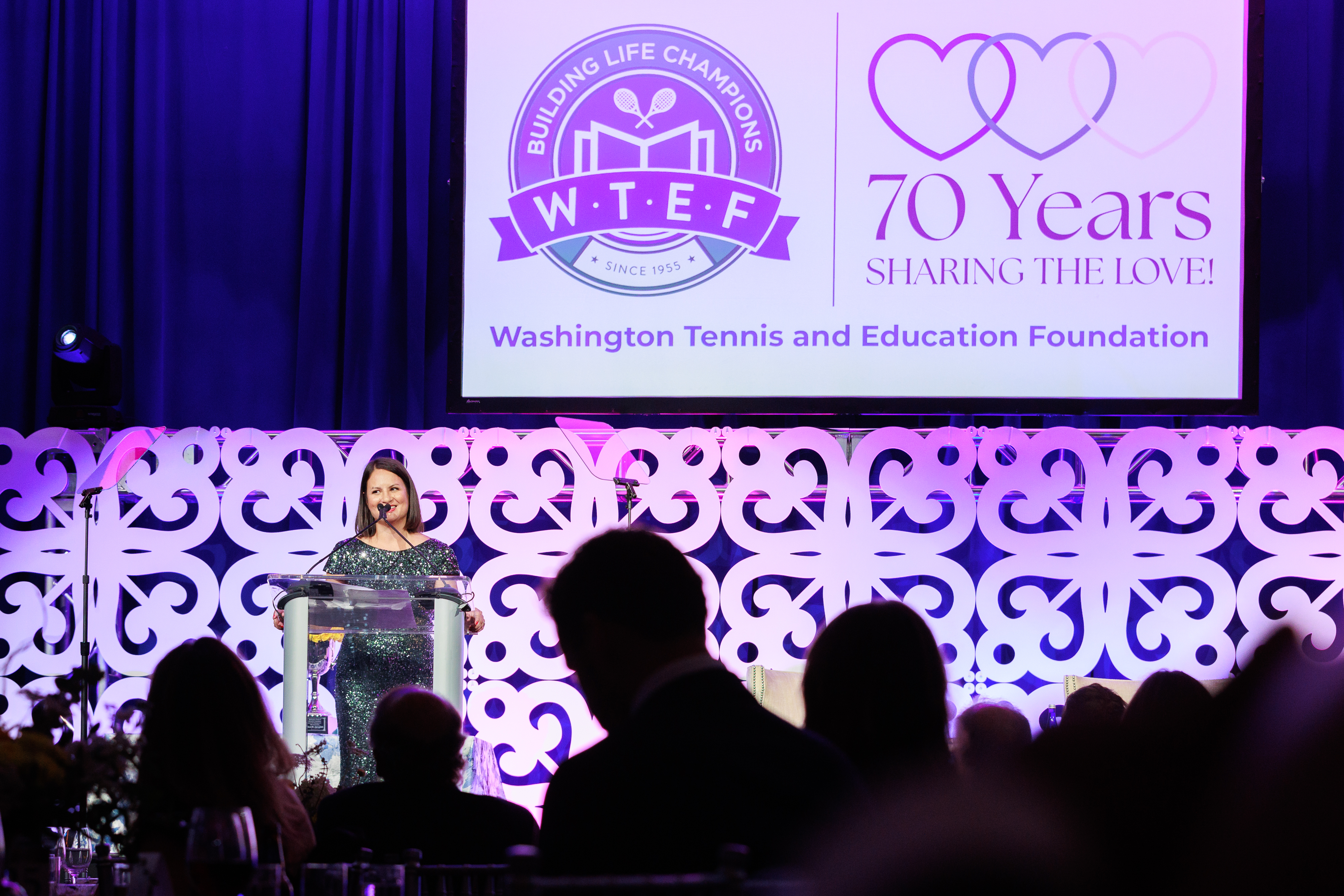
Two years ago I sat at a table at WTEF's gala. It was my first month as chief development officer at JTCC, and half my job that year was figuring out what our own gala should become. So I was taking notes. Tight program, right people in the room, a CEO three months into the job who owned the podium. I remember thinking, okay, this is the big leagues.
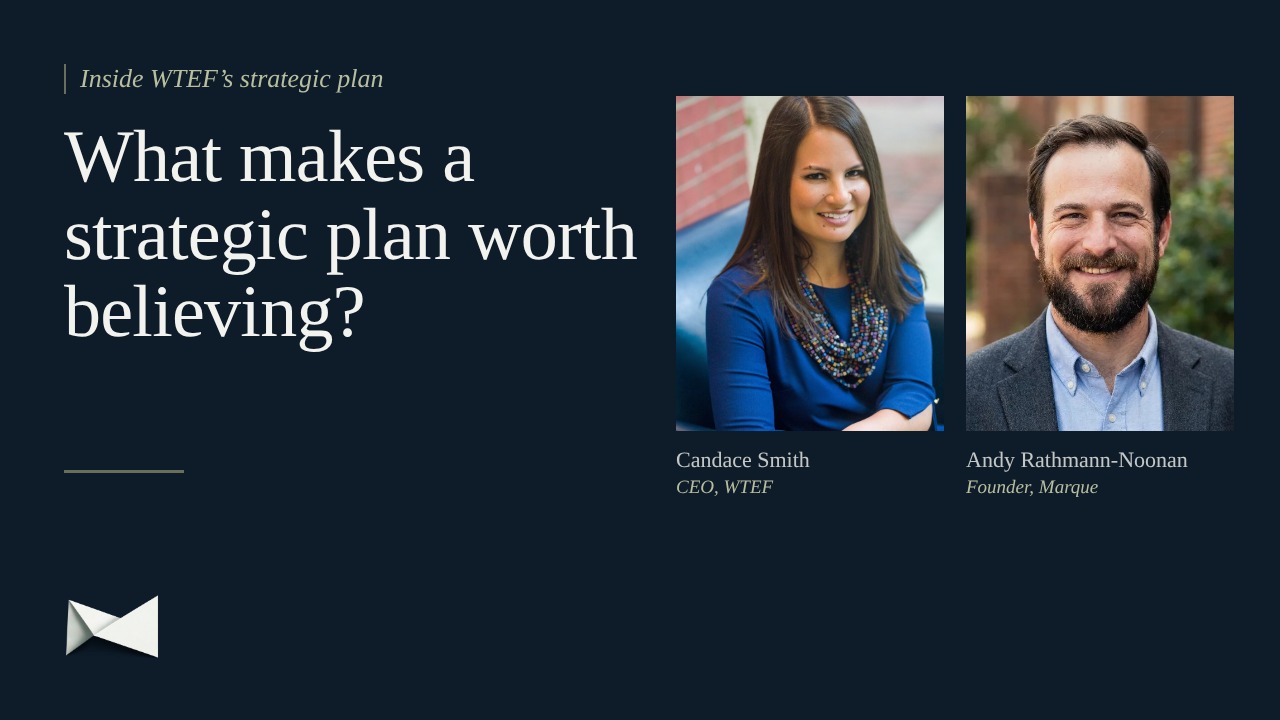
That CEO was Candace Smith. When WTEF published its 2026 to 2031 strategic plan this year, with a page titled "Strategic Guardrails" that opens, "we cannot do everything and do it well," I asked if she would show me how it came together. Four posts in this series have been theory. I wanted a real plan and the person who led it next to the four questions.
The rowing problem
It was not a funder's idea. "It was evident to me in the first week or two that this was a need."
Candace spent her first months in one-on-ones with every board member and staff member, and she heard an organization working hard without a single shared target. "It's like everyone's rowing a boat and we're all kind of rowing in the same direction; everyone's putting energy, but they're all kind of drifting a little bit rather than going towards this singular point."
She launched the process in early fall 2025, after her first gala. Eight months later, a plan.
The funder response came after the fact. "We've seen extensions, increases of gifts, and multi-year commitments. I think because we put it out in writing: this is what we're going to do and this is what we're accountable for." She calls that an unintended effect. I would call it the right order of operations.
Who was in the room
Candace and her board chair chose the steering committee for disagreement. "We didn't want just yes, enthusiastic people. We wanted the skeptics in the room, too. We wanted people who just thought differently." She spoke with every prospective member one-on-one before asking, and the ask was specific: thought partnership, real hours, candid feedback, and responsibility for carrying the result back to the full board. Her director-level staff members were in from the start.
WTEF also partnered with Third Plateau, a consulting firm, for the stakeholder work and the facilitation. Third Plateau ran focus groups with coaches and instructors and interviewed families, community partners, and funders. The facilitation mattered to her for a reason I had not heard put this plainly: "I didn't want to have to facilitate and participate."
I would put that on a card and hand it to every executive director about to run their own retreat. If you are running the room, you are not in it.
Families moved the plan
Here is the test I keep coming back to in this series. Did anyone outside leadership change the document?
At WTEF, families did. Parents told the committee they did not want to leave when their kids got good, but they felt they had to, because WTEF's core program is access, not performance tennis. "They don't want to leave WTEF, but felt that they had to when their kids got to a certain point."
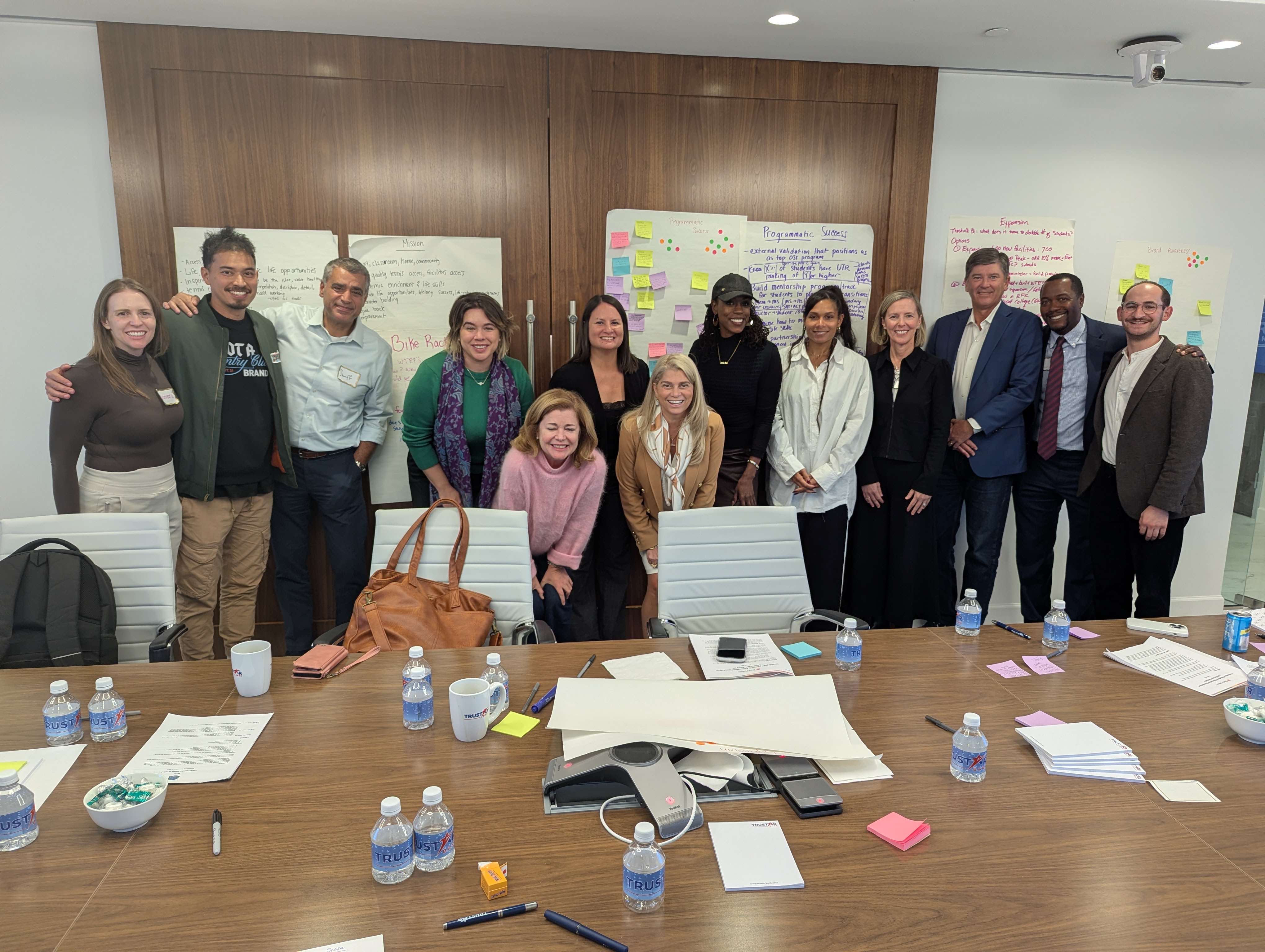
The committee argued it. A performance program eats coaches, courts, and money, and it pulls at the mission. WTEF landed on a pilot high-performance track for a small group of ready students, with a guardrail that says WTEF will not become a performance-based program. You can see the families' request in the final text, and where the organization drew the line. That is weighing input rather than collecting it.
The committee also set the growth number. An early version aimed to double impact. "There was some pushback around that, and I think in a good way. That's the purpose of having a steering committee and having different perspectives." The published target is 50 percent, from more than 700 students today to over 1,000 served annually by 2031, phased so that years one and two grow slowly and years three through five accelerate as conditions allow. The committee kept asking the question most additive plans never answer: "I have seen plans that are just additive. But it's like, how?"
The first draft, and the rewrite
Third Plateau drafted the plan after the big retreat. The committee read it and, in Candace's words, "absolutely tore it apart."
"It was rough. But I think that was really good, because for me as a leader, I was like, okay, I need to take over the writing of this. We had good bones there."
Near the end, when standard measurement templates did not fit an organization like WTEF, she extended the timeline by two months to get that part right. She credits Third Plateau for realigning with what WTEF needed and says she is grateful to have had an outside partner for the parts she could not have done alone. But the final document is hers.
"You have consultants work with you to an extent, but at some point you have to stand behind this plan. It's yours. It has to be in your voice."
If you take one sentence from this piece, take that one.
Guardrails
Four things WTEF will not do, in writing, on page 10. No new facility; they built one fifteen years ago. No fully performance-based program. No growth the budget cannot carry. And a plain commitment: "If two years from now we find that we are operating at a high deficit because our fundraising can't meet the amount it takes to grow, we're going to pause growth."
I asked where the page came from. From the committee's push to be realistic, and from the frame Candace brought to the whole process. "You can't be excellent if you're doing thirty-five different things. You can be excellent at a few things."
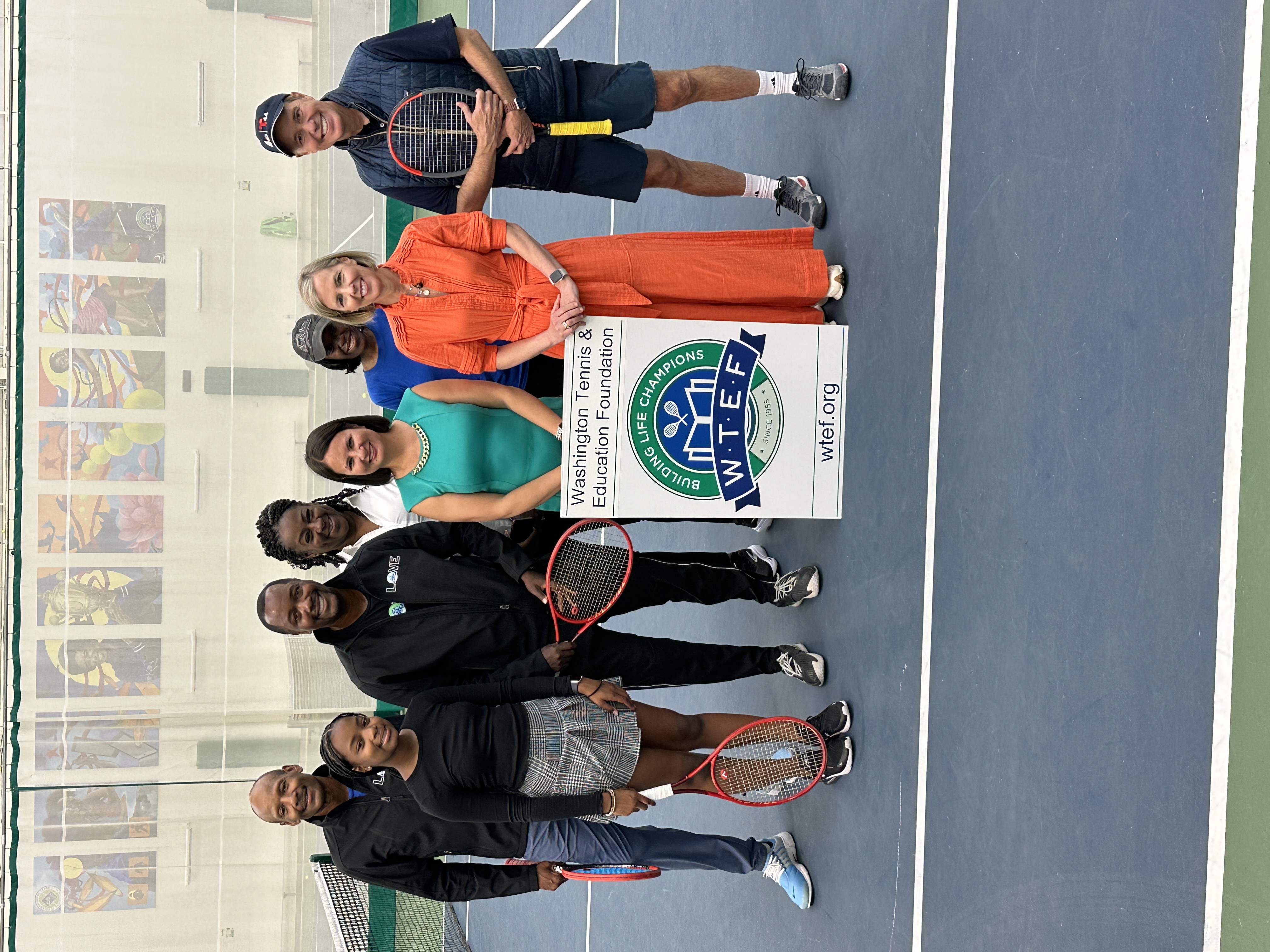
The few things include work that will never make a gala slide. Performance management. Systems. Job descriptions. A compensation framework with clear promotion pathways. WTEF has seventy years of program strength, and this plan builds the operating infrastructure underneath it. She wrote that in the strategic plan on purpose. "It's not what's going to excite people, but it actually matters, and I can make a case for why. And I can do that with any funder."
There is an endowment too. It gives room to maneuver that most organizations serving Wards 7 and 8 don't have. The plan fences it: a limited portion, for the right opportunity, with the amount agreed in advance. In Candace's definition, the right opportunity is access to existing courts or facilities that would grow both the tuition-free programs and the fee-based ones. Not a building.
What "as conditions allow" means
Fundraising trajectory. Fee revenue. Space. Whether a major funder stays. Then she gave me one happening now: a facility WTEF uses is expected to close for renovations, pausing two seasons of fee-based programming there. Because year one was built to grow modestly, the plan absorbs it. "If we had been like, we're going to expand by 200 this year, that would've been a problem."
The five-year fundraising plan she built with her chief development officer is designed to be conditional. "The market is volatile. Two years from now it could be totally different. You cannot say this is going to be the path and we're going to stick to this with certainty."
How it stays alive
Candace, her chief development officer, and two directors meet every two weeks, and the plan is always on the agenda. The first-year commitment to build a "life champion pathway" across age groups is being run as "a mini strategic plan," with parent and student input of its own. A wider leadership group comes in next, then the whole staff.
At the board level, she changed the meeting. Committee chairs report, then she holds thirty minutes for small-group work on one or two problems of practice. The reason is that the board is thirty people. "It's the same people who are always chiming in and the same people stepping back." It is the same thing she saw as a classroom teacher; she told me, "You build the structure that lets everyone weigh in." When something in the plan gets sticky, that half hour is where it goes.
The part she is not pretending about
Compensation. Building a scale, promotion pathways, and performance management from the ground up, equitably, for an organization few others resemble, "is going to be a bigger project than what is just written in the goals." She has done it before elsewhere. "It's going to take time to be thoughtful and to do it right."
She said it without flinching, which is the point. A leader who names the hard part before anyone else finds it is a leader you can trust.
The other thing she is impatient about is the story. "I hadn't heard of WTEF until I came here, and I think that's crazy. I don't want to be a best-kept secret."
Her advice, and mine
Hers: for the night before a first steering committee meeting: "Just be transparent about what your intentions are and what you want of them, because they're looking to you to tell them." And thank people, because they are spending hours on this that they do not owe you.
Mine: copy the sequence, not the document. Pick the committee for disagreement and tell each member, one-on-one, what the job is. Bring in help for the listening and the facilitation if you cannot staff them. Then write it yourself, and put the page that says no right next to the page that says yes.
Candace's last line to me was an invitation. "You can talk to me in two years to see where we are."
I'm looking forward to that next conversation.
Read WTEF's Strategic plan here.
About the author
Andy Rathmann-Noonan
Founder, Marque Nonprofit Advisors
I work with one organization at a time. Executive directors call me when growth, a leadership change, or a funding shift has outrun the way the organization is built. I diagnose what is actually load bearing, scope the work, build the fix, and hand it back. No retainer that never ends.
Last updated November 1, 2026.